Executive Summary
TorZon Market operates as a decentralized hidden service accessible exclusively via the Tor network. Established to facilitate the exchange of digital goods and services, the platform has grown rapidly by adopting a minimalist, securely engineered framework.
Observers note that the primary focus of the platform lies in maintaining high operational security for its participants. By eschewing unnecessary scripts and focusing purely on transactional integrity, the platform has positioned itself as a utilitarian alternative to more complex, feature-heavy architectures in the encrypted network space.
Technical Architecture
Cryptographic Standards
Mandatory PGP encryption is enforced for all communications. Two-factor authentication (2FA) via PGP is standard practice for account authorization, ensuring identity verification relies on mathematical proofs rather than passwords alone.
Financial Infrastructure
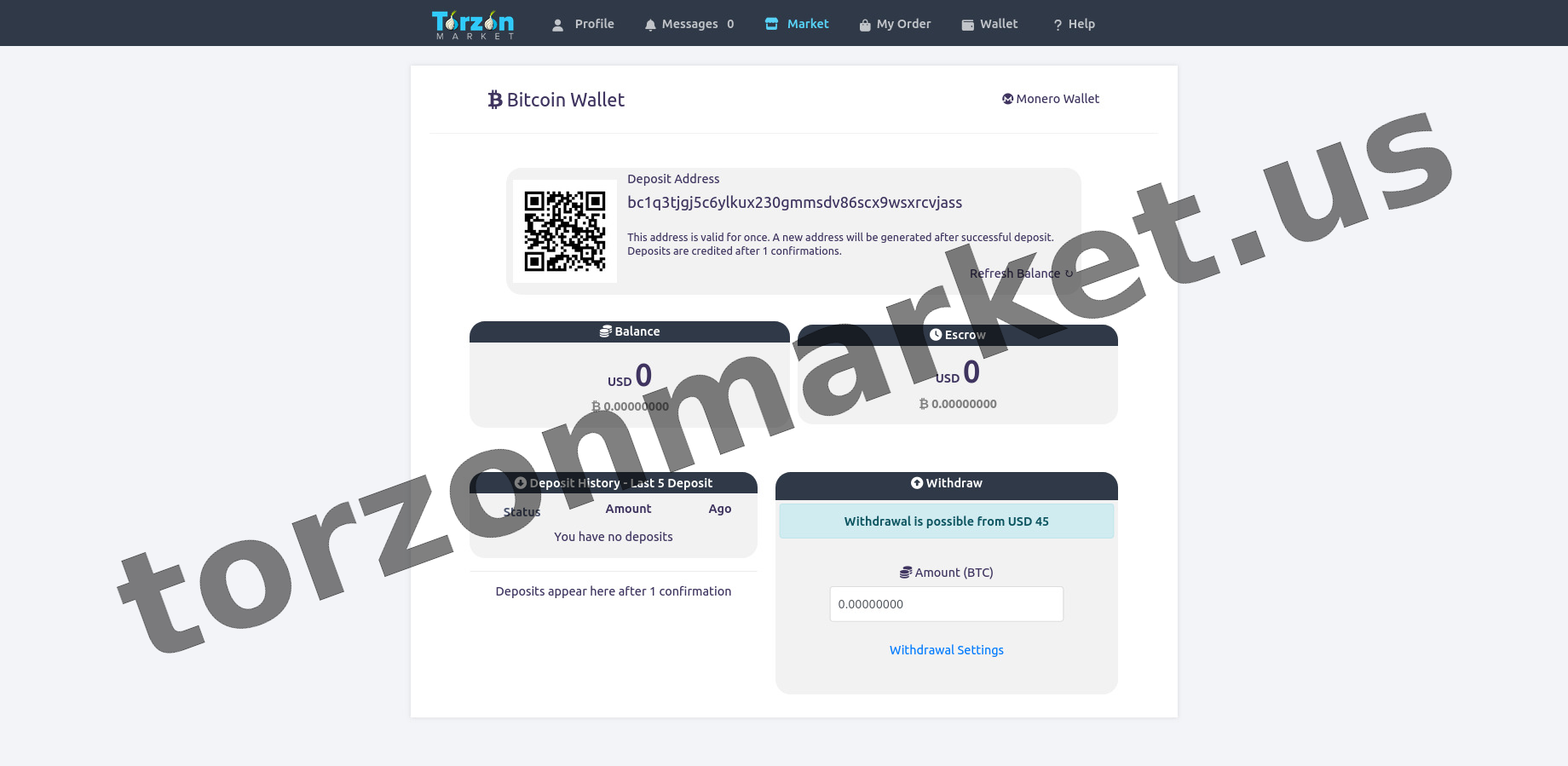
The architecture heavily prioritizes Monero (XMR) to leverage its default obfuscation capabilities. While Bitcoin (BTC) support exists historically, the platform utilizes strict escrow systems and multisignature configurations for dispute resolution.
Walletless Mechanics
To mitigate the risks associated with centralized holding wallets, direct pay-per-order mechanics are widely implemented. Participants transmit funds directly to unique, order-specific addresses, reducing systemic vulnerabilities.
Historical Timeline
Platform Genesis
Initial infrastructure deployed to the Tor network. Development focused tightly on anti-DDoS measures and establishing the core database structures for merchant applications.
Multisig Implementation
The platform introduced decentralized 2/3 multisignature transaction capabilities, allowing participants to interact without requiring the platform to act as a sole custodian of funds.
XMR Exclusive Migration
A strategic shift toward exclusively privacy-centric protocols, heavily deprecating legacy transparent ledger assets in favor of zero-knowledge configurations.
Platform Interface Analysis
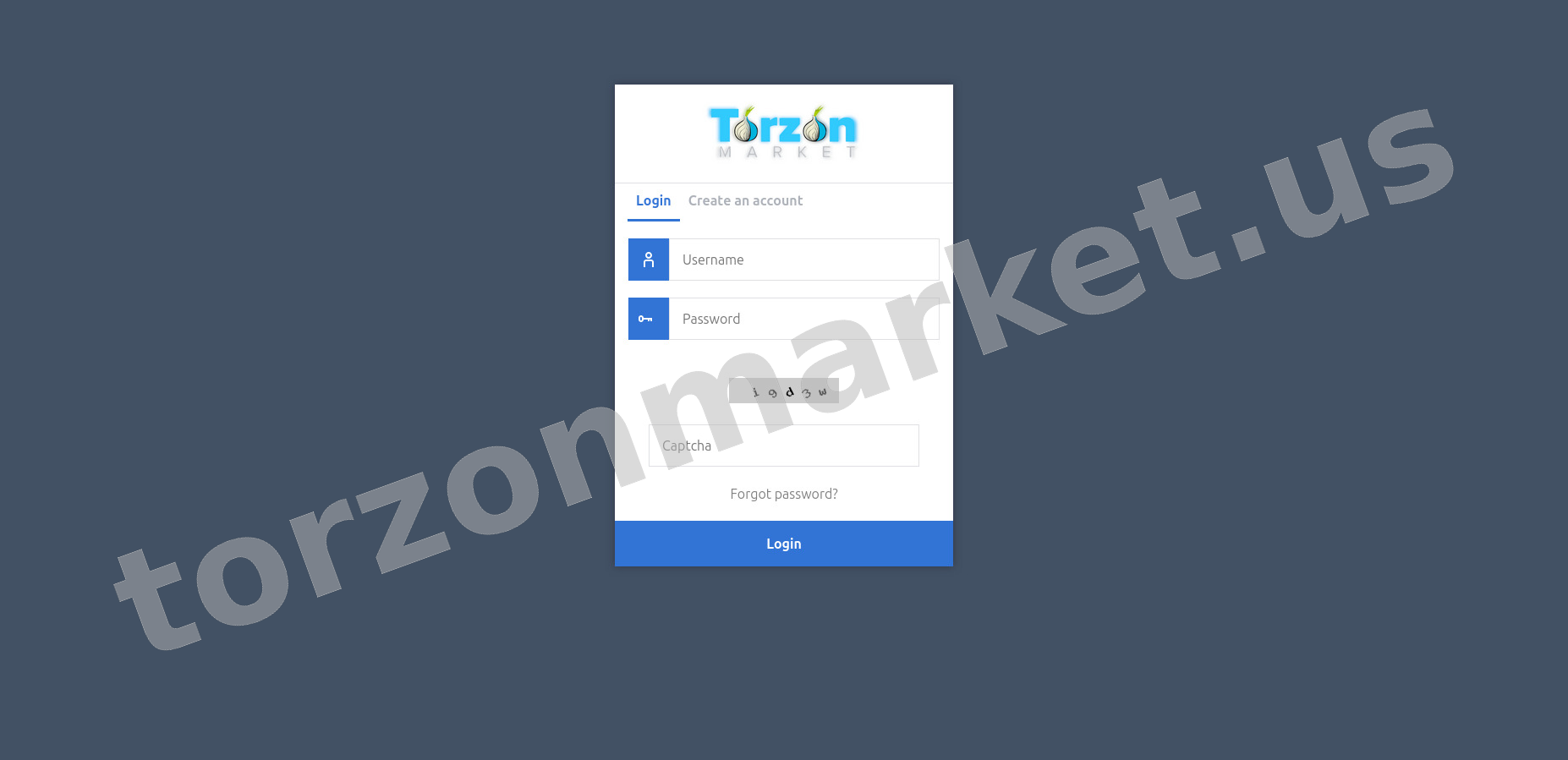
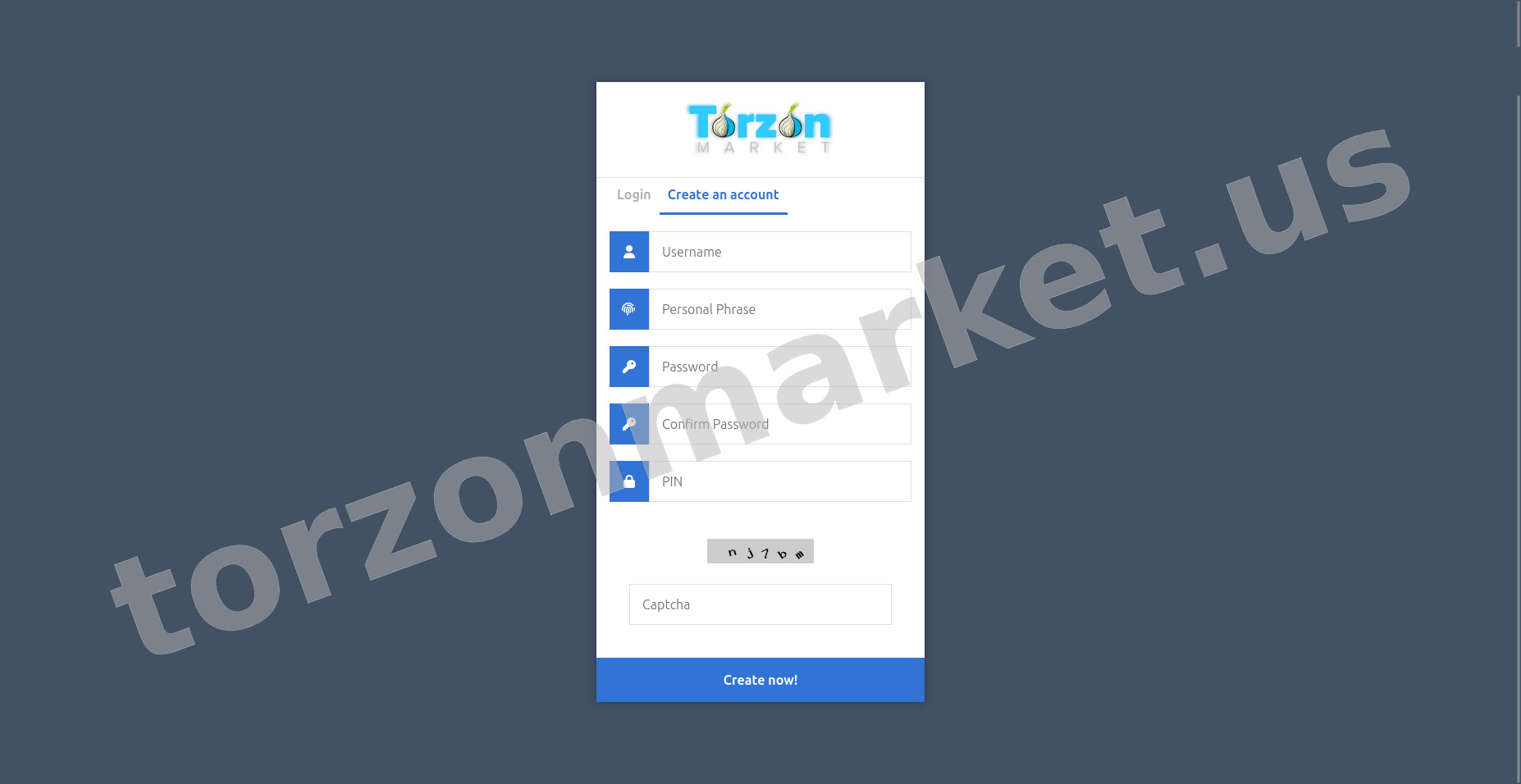
Archival documentation of the platform's visual interface. The design emphasizes low bandwidth consumption and disables JavaScript globally for participant anonymity.

Demographics & Operations
Active consumer accounts interacting with the hidden service network layout.
Strict financial bonds are required to establish merchant presence, filtering out opportunistic actors.
Advanced node rotation and captive portal systems maintain high availability under duress.